Understanding Cavernous Malformation (Cavernoma)
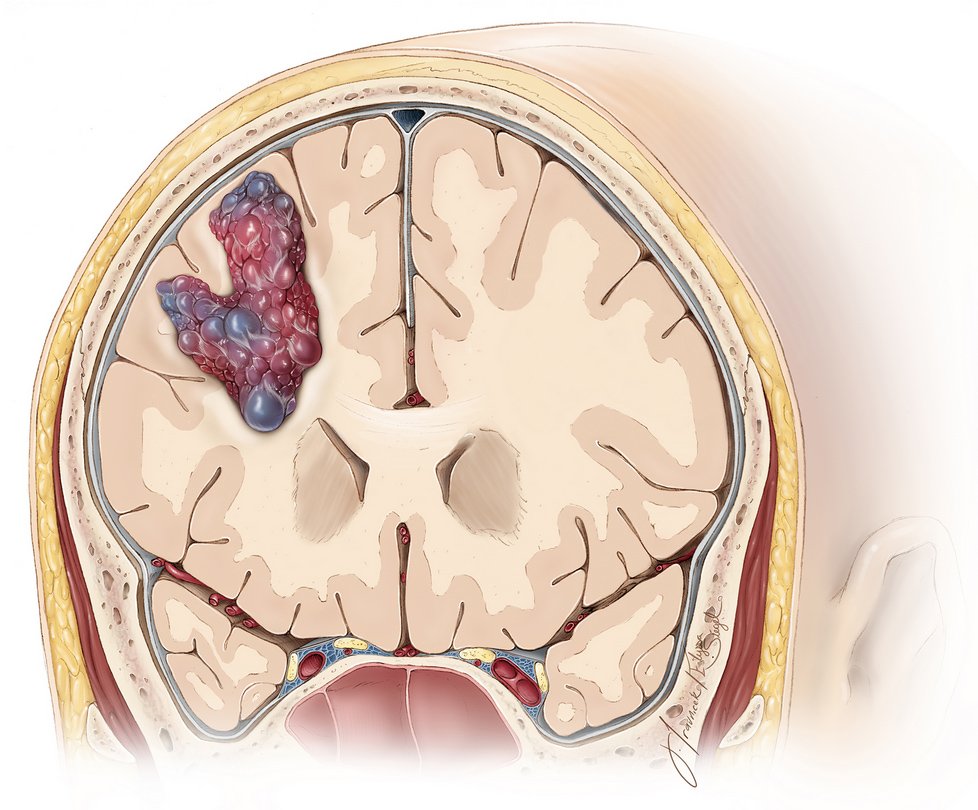
A Cavernous Malformation (also known as a Cavernoma or Cerebral Cavernous Angioma) is a cluster of abnormally formed blood vessels in the brain or spinal cord. These vessels are dilated, thin-walled, and prone to leakage, which can cause small hemorrhages and neurological symptoms.
Cavernomas are usually congenital (present at birth) but may not cause symptoms until adulthood. They differ from arteriovenous malformations (AVMs) because they have slow or stagnant blood flow and lack major feeding arteries.
Common Symptoms of Cavernous Malformation
Symptoms depend on the size and location of the lesion. Some patients remain asymptomatic, while others experience significant neurological problems when bleeding occurs.
- Seizures (most common symptom)
- Headaches
- Weakness or numbness in limbs
- Balance or coordination problems
- Vision or speech disturbances
- Recurrent minor brain bleeds (microhemorrhages)
Diagnosis
Cavernous malformations are best identified using Magnetic Resonance Imaging (MRI) with specific sequences like Susceptibility Weighted Imaging (SWI) or Gradient Echo (GRE). These imaging techniques can detect even small cavernomas and evidence of previous bleeding.
- MRI Brain: The gold standard for detecting cavernous malformations.
- CT Scan: May show bleeding but often misses smaller lesions.
- Genetic Testing: Recommended for patients with multiple cavernomas or a family history (Familial Cavernous Malformation Syndrome).
Treatment Options
Treatment depends on the lesion’s location, symptoms, and risk of hemorrhage. The goal is to prevent rebleeding and control seizures or neurological symptoms.
- Observation: Asymptomatic or small cavernomas are monitored with regular MRI scans.
- Microsurgical Removal: Recommended for symptomatic or repeatedly bleeding cavernomas, especially if they are accessible and causing seizures.
- Neuro-navigation Guided Surgery: Enhances precision in removing deep or critical-area cavernomas safely.
- Seizure Management: Antiepileptic medications may be used if seizures are the primary symptom.
Expert Cavernous Malformation Care in Ahmedabad
At HCG Aastha Cancer Centre, Ahmedabad, Dr. Chirag Panchal, Consultant Neurosurgeon, offers advanced microsurgical and minimally invasive treatment for brain and spinal cavernous malformations. With expertise in neuro-navigation, intraoperative monitoring, and microneurosurgery, patients receive precise and safe care with excellent outcomes.
When to Seek Medical Help
- New or worsening seizures
- Sudden weakness, numbness, or difficulty speaking
- Severe or persistent headaches
- Loss of balance or coordination
Early diagnosis and appropriate management can significantly reduce the risk of bleeding and improve quality of life for patients with cavernous malformations.
