
Understanding Ependymoma
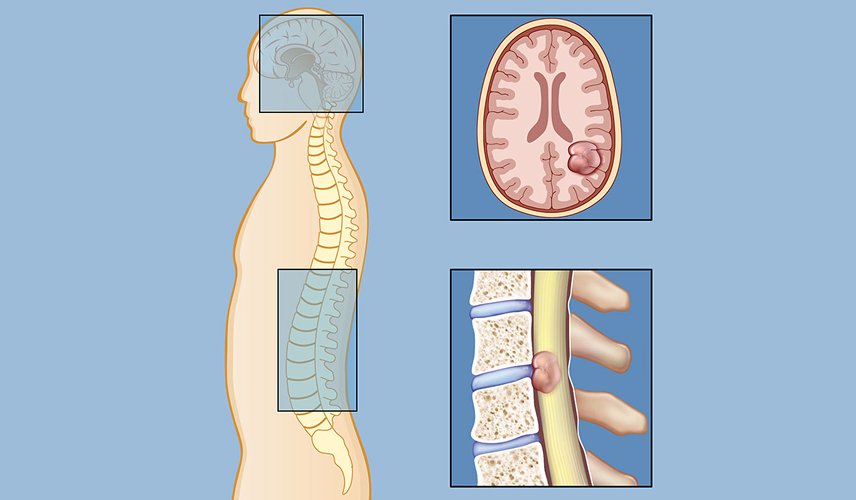
Ependymoma is a rare type of brain or spinal cord tumor that originates from the ependymal cells—cells that line the fluid-filled cavities (ventricles) in the brain and the central canal of the spinal cord.
Ependymomas can occur at any age but are more common in children and young adults. These tumors can range from slow-growing (Grade I or II) to more aggressive forms (anaplastic ependymoma, Grade III).
Common Symptoms of Ependymoma
Symptoms depend on the tumor’s location—whether in the brain or spinal cord—and its size. Common signs include:
- Persistent headaches (worse in the morning)
- Nausea and vomiting
- Problems with balance or walking
- Blurred or double vision
- Weakness or numbness in arms or legs
- Neck or back pain (for spinal ependymoma)
- Loss of bladder or bowel control (spinal cases)
Causes and Risk Factors
The exact cause of ependymoma is not well understood. It usually occurs sporadically (not inherited). In rare cases, it may be linked to genetic conditions such as Neurofibromatosis type 2 (NF2).
Diagnosis
Diagnosis involves imaging and sometimes surgical evaluation. Common tests include:
- MRI with contrast: The gold standard for detecting tumor location, size, and spread.
- CT scan: Used to assess bone or calcification involvement.
- Biopsy or surgical resection: Confirms tumor type and grade through microscopic examination.
- CSF analysis: Sometimes performed to check if tumor cells have spread through the cerebrospinal fluid.
Treatment Options
The mainstay of ependymoma management is surgery, often followed by radiation therapy. The treatment plan depends on tumor grade, location, and patient’s age.
- Microsurgical Resection: Primary treatment aimed at complete tumor removal while preserving neurological function.
- Neuronavigation & Intraoperative Monitoring: Ensure precision and safety during surgery.
- Radiation Therapy: Recommended after surgery, especially for high-grade or incompletely resected tumors.
- Chemotherapy: May be considered for recurrent or metastatic ependymomas, especially in pediatric cases.
- Observation: For small, slow-growing, and asymptomatic tumors.
Advanced Ependymoma Management in Ahmedabad
At HCG Aastha Cancer Centre, Ahmedabad, Dr. Chirag Panchal, Consultant Neurosurgeon, provides expert care for brain and spinal tumors including ependymoma. With advanced microsurgical, neuronavigation, and neuroendoscopic techniques, patients receive precise, safe, and effective treatment with an emphasis on quality of life and functional recovery.
When to Seek Medical Help
- Persistent or worsening headaches
- Seizures or sudden neurological changes
- Weakness, numbness, or balance problems
- Unexplained vomiting or vision disturbances
Early diagnosis and timely treatment of ependymoma significantly improve outcomes and long-term survival.
