Understanding Glioma Brain Tumors
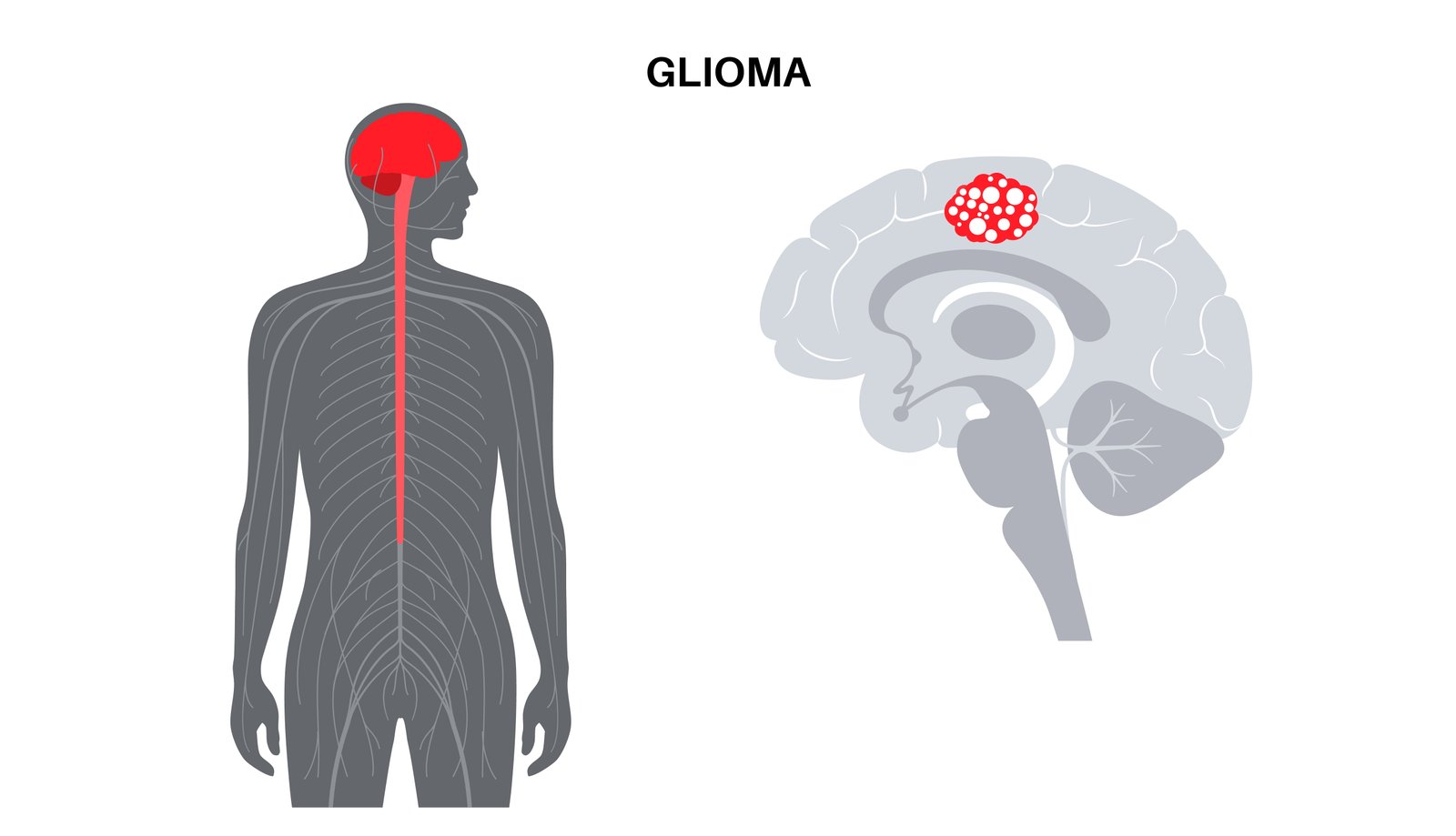
A glioma is a type of brain tumor that develops from the supportive glial cells in the brain and spinal cord. These cells help nourish and protect nerve cells, and when they grow abnormally, they form a glioma. Gliomas can range from slow-growing (low-grade) to aggressive and fast-growing (high-grade) tumors.
Gliomas are among the most common types of brain tumors in adults. Depending on the exact glial cell involved, gliomas are classified as astrocytomas, oligodendrogliomas, or ependymomas.
Common Symptoms of Glioma
The symptoms of a glioma depend on its size, type, and location in the brain. They may develop gradually or progress rapidly in aggressive forms. Common signs include:
- Persistent headaches, often worse in the morning
- Nausea or vomiting
- Seizures or convulsions
- Weakness or numbness in one part of the body
- Difficulty speaking, understanding, or concentrating
- Vision or hearing disturbances
- Personality or behavioral changes
Diagnosis
Diagnosis begins with a detailed neurological examination followed by imaging studies. MRI with contrast is the most reliable test to identify a glioma’s size and location. In some cases, CT scans or functional MRI (fMRI) may be performed.
A stereotactic biopsy or surgical removal helps confirm the tumor type and grade under microscopic examination. Molecular testing is often done to guide targeted treatment.
Treatment Options
The treatment of glioma depends on several factors — including tumor grade, location, and the patient’s overall condition. Modern treatment aims to remove as much of the tumor as possible while preserving vital brain functions. Options include:
- Microsurgical Resection: Precision surgery using microscopes and neuronavigation systems to safely remove the tumor.
- Neuroendoscopic Procedures: Minimally invasive approaches for deep or complex lesions.
- Radiation Therapy: Used after surgery to target remaining tumor cells.
- Chemotherapy or Targeted Therapy: For aggressive or recurrent tumors.
- Rehabilitation: Speech, physical, and occupational therapy for recovery and quality of life.
Expert Glioma Management in Ahmedabad
At HCG Aastha Cancer Centre, Ahmedabad, Dr. Chirag Panchal, Consultant Neurosurgeon, provides advanced and compassionate care for patients with gliomas. With experience in microneurosurgery, neuronavigation, and awake craniotomy, he ensures safe tumor removal while maintaining neurological functions.
When to Seek Medical Help
- Frequent headaches
- Unexplained seizures
- Neurological changes
