
Understanding Pituitary Tumors
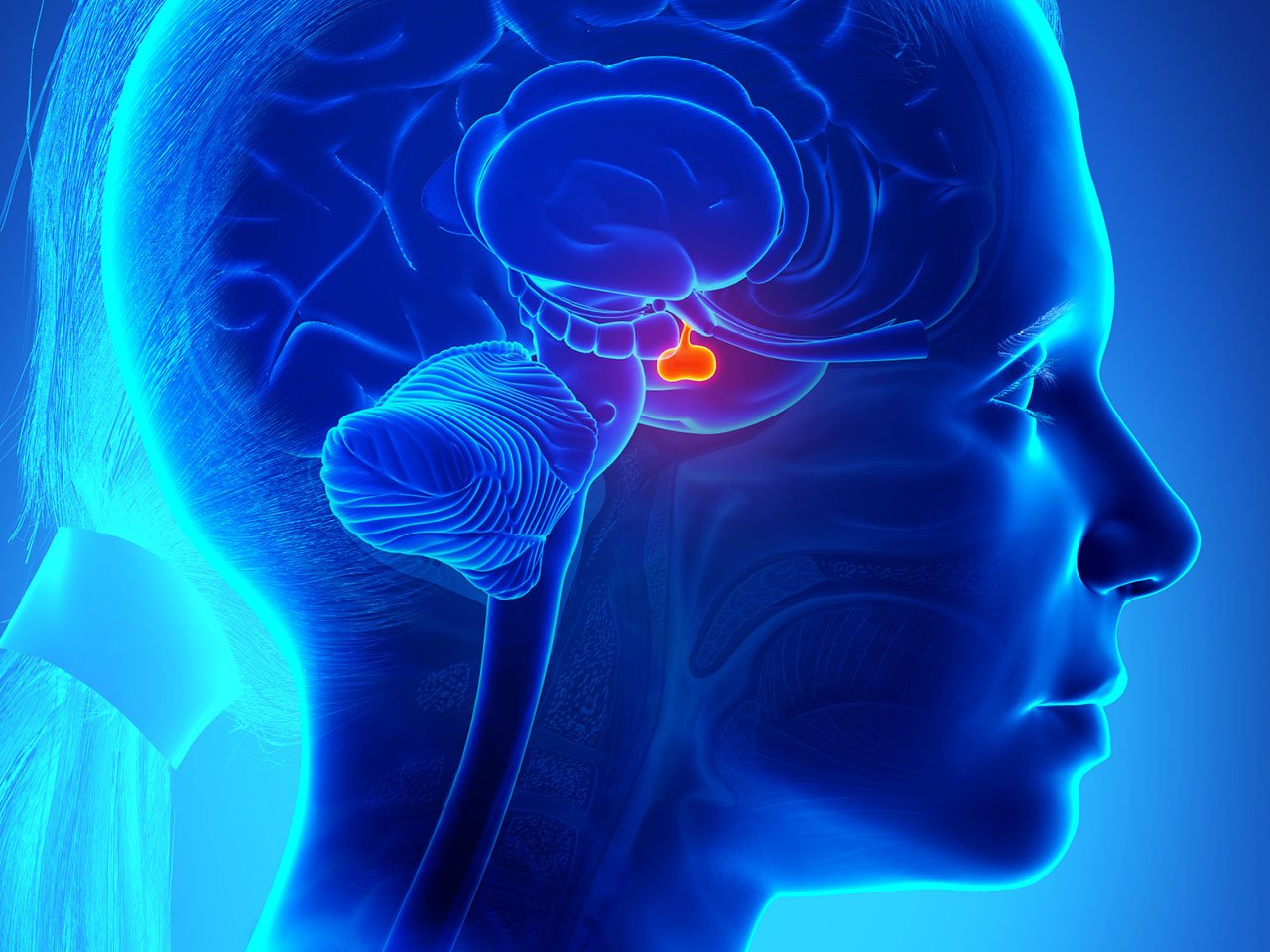
A pituitary tumor is an abnormal growth that develops in the pituitary gland — a small but vital gland located at the base of the brain responsible for regulating hormones that control key body functions such as growth, metabolism, and reproduction.
Most pituitary tumors are benign (non-cancerous) and grow slowly. However, depending on whether they secrete hormones or compress nearby structures, they can cause a range of symptoms affecting vision, energy levels, and overall health.
Common Symptoms of Pituitary Tumors
Symptoms depend on whether the tumor is functioning (hormone-producing) or non-functioning, as well as its size and direction of growth. Common signs include:
- Persistent headaches
- Blurred or double vision
- Unexplained fatigue or weakness
- Irregular menstrual cycles or infertility
- Decreased libido or sexual dysfunction
- Unintended weight gain or loss
- Excessive growth of hands, feet, or facial features (in hormone-producing tumors)
Diagnosis
Diagnosis involves a combination of hormonal blood tests, neuroimaging, and visual assessments. An MRI scan provides detailed images of the pituitary region, helping identify tumor size, location, and pressure effects on surrounding structures.
Hormonal profiling helps detect whether the tumor is producing excess hormones such as prolactin, growth hormone, or ACTH. In select cases, visual field testing may be done to assess optic nerve compression.
Treatment Options
The goal of treatment is to remove or shrink the tumor while preserving normal pituitary function. Treatment options include:
- Endoscopic Transsphenoidal Surgery: A minimally invasive approach through the nasal cavity for precise tumor removal with faster recovery.
- Microsurgical Resection: Used for larger or complex tumors extending beyond the sella.
- Medical Therapy: Hormone-regulating drugs for specific tumor types like prolactinomas.
- Radiation Therapy: For residual or recurrent tumors not suitable for surgery.
- Regular Monitoring: For small, asymptomatic lesions under observation.
Expert Pituitary Tumor Management in Ahmedabad
At HCG Aastha Cancer Centre, Ahmedabad, Dr. Chirag Panchal, Consultant Neurosurgeon, provides advanced care for patients with pituitary and skull base tumors using cutting-edge endoscopic and neuronavigation-guided techniques. His expertise ensures safe tumor removal while protecting critical hormonal and visual functions.
When to Seek Medical Help
- Persistent headaches
- Visual disturbances
- Unexplained hormonal changes
