Understanding Chordoma
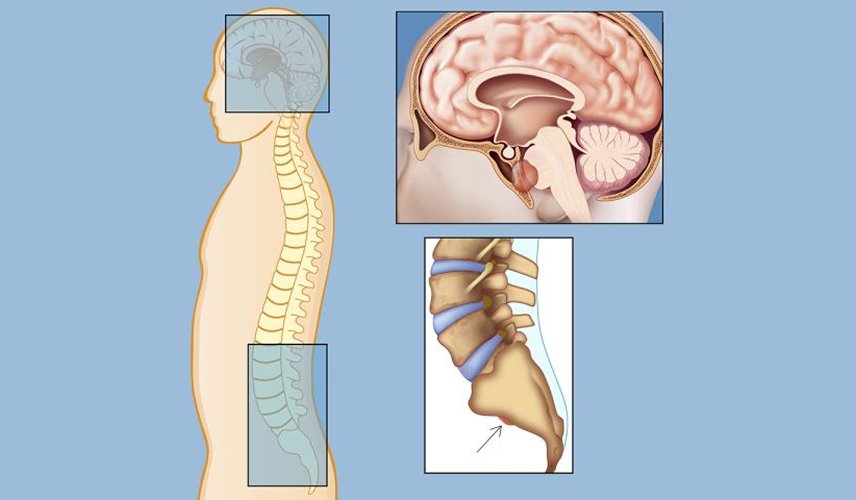
Chordoma is a rare type of bone cancer that occurs along the spine, particularly at the base of the skull (clivus) or sacrum. It arises from remnants of the notochord, an embryonic structure.
Chordomas are typically slow-growing but can be locally aggressive, invading nearby bones and tissues. They are more common in adults and slightly more prevalent in males.
Common Symptoms of Chordoma
- Persistent pain at the tumor site (lower back, tailbone, or skull base)
- Numbness or weakness in arms or legs
- Difficulty walking or maintaining balance
- Headaches or vision changes (for skull base chordomas)
- Bowel or bladder control problems (for sacral tumors)
Causes and Risk Factors
The exact cause of chordoma is not fully understood. It originates from leftover notochord cells. Genetic factors may occasionally play a role, but most cases occur sporadically.
Diagnosis
Accurate diagnosis requires imaging and biopsy:
- MRI: Evaluates tumor size, location, and relation to the spinal cord or brainstem.
- CT Scan: Helps assess bone involvement and surgical planning.
- Biopsy: Confirms chordoma and helps guide treatment decisions.
Treatment Options
Chordomas are challenging to treat due to their location and aggressive local growth. Treatment options include:
- En bloc Surgical Resection: Complete removal of the tumor while preserving neurological function.
- Neuronavigation & Intraoperative Monitoring: Ensures safety and precision during surgery.
- Radiation Therapy: Often used after surgery to reduce recurrence risk, including proton therapy for skull base tumors.
- Observation: In very small or slow-growing tumors in select patients.
Advanced Chordoma Care in Ahmedabad
At HCG Aastha Cancer Centre, Ahmedabad, Dr. Chirag Panchal, Consultant Neurosurgeon, offers comprehensive management of chordomas with advanced microsurgical and radiation techniques. Patients benefit from precise tumor removal with minimal complications and a focus on quality of life.
When to Seek Medical Help
- Persistent spinal or sacral pain
- Neurological deficits in arms or legs
- Balance or walking difficulties
- Changes in bowel or bladder function
Early detection and specialized treatment of chordomas improve surgical outcomes and reduce recurrence risk.
